
Program 16-21-5 “Value Within”
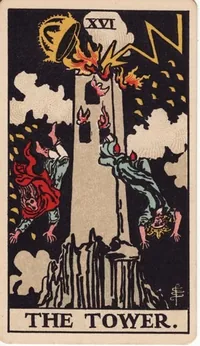
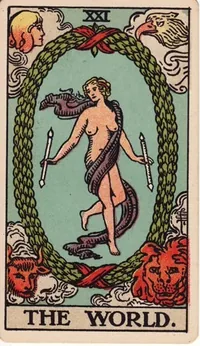
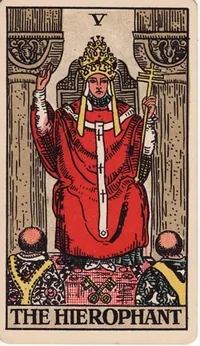
16 “The Tower” · 21 “The World” · 5 “The Hierophant”
The 16-21-5 program "Value Within" in the Destiny Matrix is a combination of the energies of the Tower (16), the World (21), and the Hierophant (5). Its core is an excessive attachment to the material and outer shine. Any breakage, loss, or change knocks you off balance, triggering physical symptoms and conflicts with the people close to you. The triplet's resource is shifting the focus from possessions to inner value and accepting that everything material is temporary. The difference from neighboring programs: here the trigger is always external — an event that breaks your usual way of life. This triplet can sit in twelve different places in the matrix, and the position changes the sphere, but not the core.
Is 16-21-5 in Your Matrix?
The widget calculates the triplets across every place in the matrix from your date of birth and highlights where the program “Value Within” sits.
What the Three Numbers 16-21-5 Mean
How do 16, 21, and 5 combine into one plot? The Tower (16) is sudden destruction: a breakdown, an accident, a financial crash. The World (21) is a pull toward stability, completeness, comfort. The Hierophant (5) is a need for system, rules, and approval. Together they create a story: the person builds a well-thought-out, reliable life (21), relying on external rules (5), but the Tower (16) periodically bursts in and wrecks the construction. The plot hinges on equating worth with possessions and status. When the Tower wrecks the plans, the World suffers the loss, and the Hierophant demands control be restored. The way out is to redefine worth — not things, but an inner core. Then the Tower becomes a cleansing, not a catastrophe.
How “Value Within” Shows Up

The program shows up as a series of situations where your possessions or your outer order come under threat. Say, you buy a new phone and crack the screen a week later. The reaction is disproportionate panic, a sense of loss, self-blame. Or you're planning a vacation, you've booked the hotel, and the flight gets canceled — and it throws you off for days, even though you could just rebook the tickets. At work, this shows up as a rigid attachment to outcomes: if a project fails or you don't get praised, you feel worthless. Money becomes the measure of success: your paycheck comes in lower than expected, and you feel like you're in the red, even with savings in place. In relationships, the program sounds like this: you demand that your partner follow the rules (5) — do everything "right," look a certain way, not create chaos. Any deviation from your expectations (16) — things left scattered, a sudden change of plans — feels like a personal insult. You might cancel plans over a minor breakdown, taking your frustration out on the people close to you. Physical signs: back or gut pain after losing something, a feeling of heaviness in the chest.
Program 16-21-5 in 12 places in the matrix
The 16-21-5 triplet isn't only found in the Karmic Tail — it can sit in twelve different zones of the matrix. The core is one — attachment to the material and a fear of loss. But the sphere and the "volume" depend on the position. In the Tail, it's a repeating scenario from the past that carries through lifetimes. In the Money Line, the energy directly affects income: you either cling to money or push it away. In the ancestral lines, it's an inherited scenario: your ancestors passed down the habit of holding on to possessions, and now you're acting out their fears. Below is a breakdown for each of the twelve positions. Read your own.
Your parents valued the material too much, and you picked up their fear of loss. With your own kids, it matters to teach the value of relationships, not things, or you'll repeat their anxiety.
Lead by example: joy from time spent together, not from gifts.
Your talent is seeing real value where others see only the surface. You can turn ruins into masterpieces, but the fear of loss gets in the way.
Develop your ability to restore and reinterpret.
You tie your self-worth to money and status. Any financial crisis feels like a personal defeat. Money is a resource, not a measure of your worth.
Invest in knowledge and experience — that never loses its value.
The past pattern is clinging to things and status as a foothold. You keep repeating the cycle of loss and gain until you stop looking for safety in possessions.
Give away what you don't need — break the cycle of attachment.
You're trying to earn enough to buy love and peace of mind. But the balance is off: money doesn't replace warmth, and love doesn't insure you against crises.
Build relationships as equals, without buying attention with gifts.
In a couple, you judge your partner by outer signs: gifts, status, wealth. When those disappear, you lose interest. Real intimacy isn't built on things.
Try going a month without expensive surprises — you'll see what's left.
You read the "value" of people and situations through outer shine, not your inner gut sense. Your intuition is clogged with material filters.
Learn to trust your first impression without rating it "expensive-cheap."
Your father passed down an attachment to status and outer trappings, which makes you afraid of losing what you've built up.
Learn to value your inner strength rather than things — that will ease the fear of loss.
The paternal line carries accumulation for the sake of security, but any breakage knocks you off balance and sparks conflict.
Shift the focus from possessions to steady income — that will give you confidence.
Your mother passed down an emotional dependence on the material, which is why losing things brings on illness.
Shift what you value toward inner calm — that will strengthen your health.
The maternal line carries anxiety over everyday life, which is why quarrels with the people close to you start over nothing.
Accept that everything material is temporary — that will bring lightness back into your home.
The period unfolds through freeing yourself from attachments and finding inner freedom. You move through change easily if you focus on knowledge and experience rather than things.
Act like this: pass your experience on to others. Keep learning yourself and teach the people around you — that will bring stability and respect.
How to Work Through Program 16-21-5

Working through the program means shifting the focus from possessions to inner value. First action: keep a "who am I without things" journal. Every day, write down three qualities, skills, or memories that have nothing to do with the material. In two weeks, you'll notice your worth as a person doesn't depend on a smartphone or a car. Second action: practice "controlled loss" — once a week, give away or throw out something you don't need, and track how your body reacts. Start small — an old mug. A sign of the plus: when something breaks or gets lost, you don't freeze up, you calmly solve the problem. Third action: revisit the rules you hold your loved ones to. Make a list of your demands on your partner around order and stability, and pick one you can let go of. For example, let your partner drop by without warning. Working through this means change stops scaring you — you understand your core is inside, not outside.
Program 16-21-5 at Its Worst and Its Best
The same energy sounds different depending on whether the program has been worked through.
| Area | − Unworked | + Worked Through |
|---|---|---|
| Money | You panic over an unplanned expense, even one that's trivial for you, and run through a bankruptcy scenario in your head. | You stay calm about money: you understand it's a resource, not a measure of your worth, and you can make level-headed decisions. |
| Relationships | You demand perfect order from your partner and get angry if they disrupt your plans, taking it personally. | You accept your partner's habits, allow for spontaneity, and know how to negotiate rather than pressure. |
| Self-Worth | You feel worthless if you break or lose something, tying your significance to owning things. | You're confident in yourself regardless of possessions: you know your strengths and don't let things define your worth. |
| Working with People | In a team, you cling to your title and status, reacting painfully to criticism and any change in the rules. | You adapt easily to changes at work, value people's contributions rather than your own pedestal, and stay open to the new. |
| Family and Lineage | You repeat the family's "hold on to what you have" scenario, passing your kids a fear of loss and an attachment to the material. | You break the ancestral scenario, showing the people close to you that what matters is inner footing, not accumulation. |
| Body and Resource | A broken gadget or a minor injury triggers physical tension, insomnia, or back pain from stress. | You track how the stress of loss affects your body, and you know how to release the tension through breathing or movement. |
16-21-5 in Compatibility

In a couple's chart, this triplet projects onto the relationship like this: one partner (or both) may turn out to be too dependent on material goods and outer polish. A typical scenario: one partner wrecks the plans (the Tower's energy), while the other demands order (the World) and rules (the Hierophant). This creates tension: one insists on control, the other on freedom. For the union to be harmonious, it matters to shift the focus onto inner values: what you value in your partner beyond their paycheck or their household skills. The Compatibility Calculator helps you see how your triplets overlap and where conflicts over possessions and stability might arise.
A full calculation shows all 32 positions of the matrix and highlights whether triplet 16-21-5 is personally yours, and in which of the 12 places — and what to do about it.
Calculate My Matrix →Frequently Asked Questions

How 16-21-5 Differs From Similar Programs
Three combinations most often confused with this program, and the tell that shows which one is actually yours.
Programs Sharing Energies

Roman Mullet
I approach numerology as a symbolic system, not a predictive practice. The program “Value Within” describes a recurring scenario, not a sentence: triplet 16-21-5 has a positive side that opens up once it's worked through.
The texts for each place in the matrix on this page are the same ones the calculator shows in the paid report — one shared nomenclature, nothing tailored just for this page.
About the Author